Why Attachment Styles Matter
Attachment theory explains how our earliest relationships — especially with caregivers — shape our expectations of love, safety, and emotional closeness. These patterns often operate unconsciously, influencing attraction, conflict, and intimacy in adult relationships.
The Four Attachment Styles
:max_bytes(150000):strip_icc()/attachment-styles-2795344-v1-5c61db3346e0fb0001ca8cb1.png)
Secure Attachment
Securely attached individuals feel comfortable with both intimacy and independence. They trust others, communicate openly, and handle conflict without fear of abandonment or loss of self.
:max_bytes(150000):strip_icc()/anxious-attachment-5204408_final-8097b866bc014bdba30e2ff9175b39cf.jpg)
Anxious Attachment
Anxious attachment is marked by a strong desire for closeness combined with fear of abandonment. This often leads to reassurance-seeking, emotional hypervigilance, and anxiety around relationships.

Avoidant Attachment
Avoidant attachment prioritizes independence and emotional control. Individuals may suppress feelings, avoid vulnerability, and feel uncomfortable when relationships become too close.
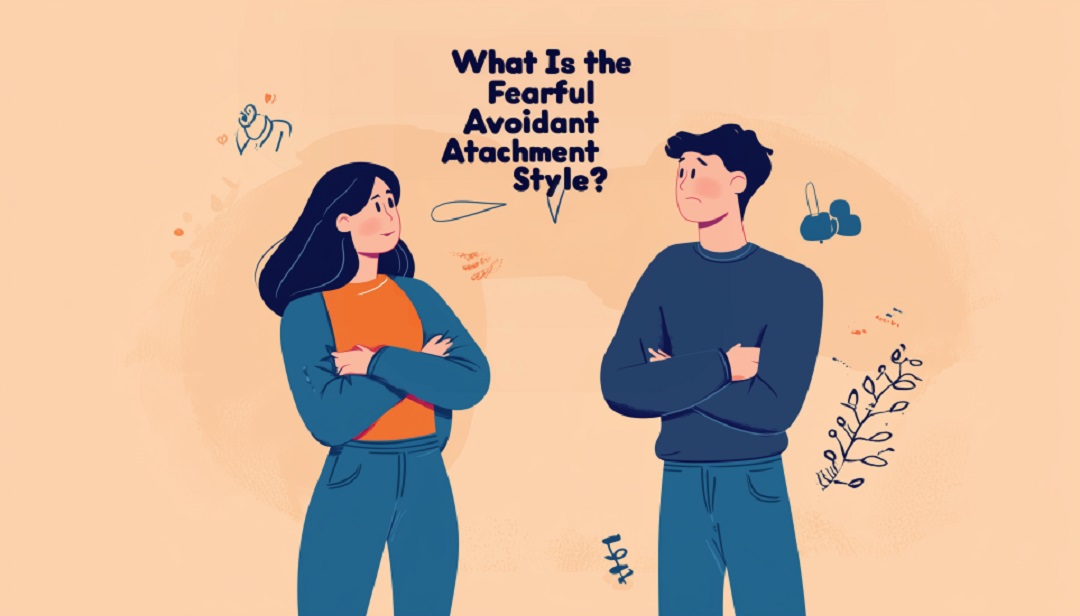
Fearful-Avoidant (Disorganized)
This style combines a desire for connection with fear of getting hurt. It often results in push–pull dynamics, emotional confusion, and unstable relationship patterns rooted in past trauma.
Can Attachment Styles Change?
Yes. Attachment styles are not fixed traits. With awareness, healthy relationships, and emotional work, people can gradually move toward more secure patterns of connection.
Learn How Secure Love Is Built →Explore the Chapters
Dive deeper into how attachment styles show up in dating, conflict, healing, and building lasting love.
The Secure Foundation
What secure attachment looks like in adult relationships — and why it's the gold standard for emotional safety and mutual growth.
Anxious Hearts
Understanding the inner world of anxious attachment: fear of abandonment, reassurance needs, and paths toward calmer connection.
The Avoidant Armor
Why independence can become emotional distance — exploring dismissive-avoidant patterns and how closeness can feel threatening.
Caught in the Push-Pull
Fearful-avoidant (disorganized) attachment: craving love while fearing hurt — trauma roots and stabilization strategies.
Attachment in Dating & Early Romance
How your style influences partner choice, texting anxiety, first conflicts, and the honeymoon-to-reality transition.
Healing Toward Secure
Practical steps, therapy approaches, self-soothing tools, and relationship experiences that help rewire attachment over time.
Can Attachment Styles Change?
Yes. Attachment styles are not fixed traits. With awareness, healthy relationships, and emotional work, people can gradually move toward more secure patterns of connection.
Learn How Secure Love Is Built →