Love Is Not Random
Love feels mysterious, but it follows surprisingly consistent psychological and biological patterns. From attraction to attachment, the human brain plays a central role in how relationships begin, grow, and sometimes fall apart.
Core Mechanisms of Love
Psychology of Attraction
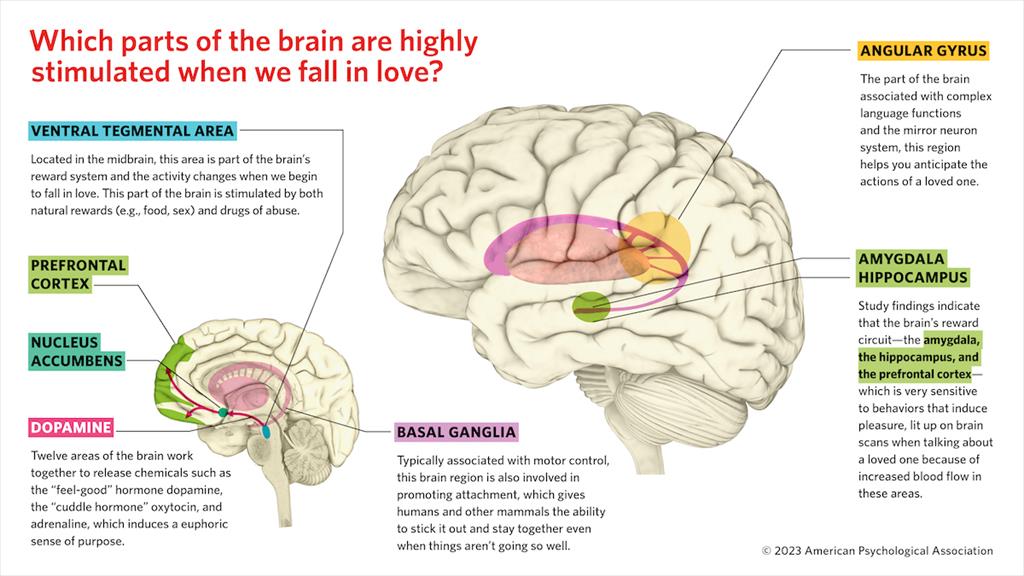
Attraction is shaped by familiarity, similarity, proximity, and subconscious emotional cues. Dopamine activates the brain’s reward system, creating excitement, motivation, and focus.

Emotional Bonding & Attachment
Long-term love depends on oxytocin and vasopressin — chemicals responsible for trust, safety, and emotional bonding. Attachment patterns deeply influence relationship stability.
Heart–Brain Connection
Romantic love activates reward circuits similar to food or drugs. Secure attachment calms the amygdala and strengthens empathy, emotional regulation, and long-term connection.
Love Psychology — Chapters
Explore love step by step. Each chapter dives deeper into one psychological aspect of human connection.
What Is Love?
Different types of love explained through psychology and biology.
How Attraction Works
Why we feel drawn to certain people — and not others.
Chemistry vs Compatibility
The difference between excitement and long-term suitability.
Love & the Brain
Dopamine, oxytocin, serotonin, and emotional bonding.
Attachment Styles
How childhood patterns shape adult love.
Ready to Understand Yourself Better?
Love psychology becomes even clearer when you understand your attachment style.
Discover Attachment Styles →